Your shopping cart is empty!



"The Recognized Technical Experts in Our Field"

NFPA 79 is an Electrical Standard for Industrial Machinery used in the United States and developed by the National Fire Protection Association. It is, according to the NFPA, "intended to minimize the potential hazard of electrical shock and electrical fire hazards of industrial metalworking machine tools, woodworking machinery, plastics machinery, and mass-produced equipment, not portable by hand." The standard provides detailed requirements for the design, construction, wiring, component selection, and safeguarding of electrical systems used within these machines.
Many customers will be familiar with NFPA 70, also known as the National Electrical Code (NEC), which governs electrical installations in a broad range of structures and focuses primarily on the connection of power to the equipment. NFPA 79 goes beyond NFPA 70 and specifically covers the internal wiring, components, and control systems of industrial machinery.
NFPA 79 for Heat and Vacuum Sealing Machinery
Heat and vacuum sealers contain electrical components that are directly affected by NFPA 79 requirements. These systems typically include:
Examples of NFPA 79 requirements for sealer subsystems:
NFPA 79 Validation
Sealers built to NFPA 79 safety standards are fully prepared for validation. This is the process of ensuring that industrial equipment complies with the electrical safety requirements in the NFPA 79 standard before being put to use. The purpose of the validation process is to verify that the equipment is free from electrical hazards such as shock, fire, and control system failure by thorough examination of its wiring practices, components, and overall electrical architecture. The validation process for heat and vacuum sealing machinery typically includes:
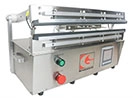
All Gramatech heat and vacuum sealing machines are built to order in the U.S.A. and can be manufactured to fully meet NFPA 79 standards, as well as all associated validation protocols. Please contact IMPAK's machinery specialists for more detailed information, and to discuss implementing NFPA 79 compliance in a Gramatech sealer for your application.