Your shopping cart is empty!



"The Recognized Technical Experts in Our Field"
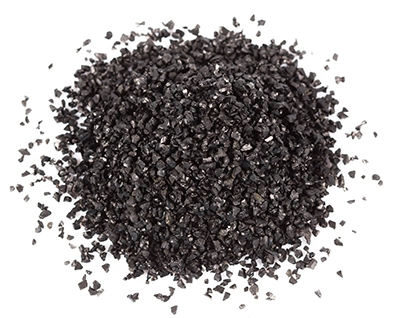
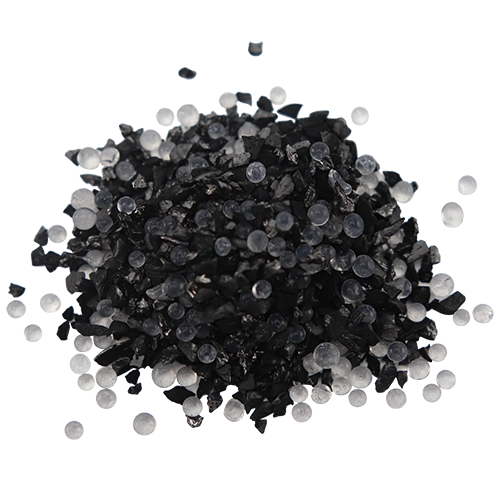
Activated carbon (or charcoal) is used to purify air, water, and other specific gases and liquids by trapping contaminants like chemicals, odors, and toxins. It's made from carbon-rich materials (wood, shells) heated to create millions of microscopic pores, offering huge surface area to capture unwanted molecules from gases and liquids. Through the process of adsorption, impurities stick to its vast, porous surface area, much like a sponge grabs dirt. One gram of activated carbon can have 500–2,000 m² of internal surface area, equivalent to several football fields of surface area in a teaspoon.
Activated charcoal does have desiccant properties, and will adsorb moisture from air, but it is much less effective for this purpose than other dedicated moisture control products, such as silica gel or molecular sieve. Nonetheless, some applications that use activated carbon for its odor filtering properties also benefit from its limited moisture adsorption capability.
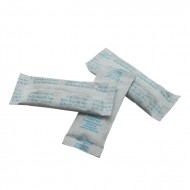
Packets of activated carbon can be used for: